

At a glance: How to assess whether an MCAS healthcare service is safe and appropriate
Before committing to a private clinic or practitioner, it can help to work through the following checks to ensure they are trustworthy and have the appropriate expertise to offer support. Each point is explained in more detail in the sections below.
• Check professional registration and accountability – confirm that clinicians are appropriately registered and regulated.
• Confirm the service itself is properly regulated – ensure the clinic is registered with the correct UK healthcare regulator.
• Be cautious of extensive or unvalidated testing – understand what tests are being used, why, and whether they are evidence-based.
• Review the quality of reports and NHS-facing communication – check whether letters and recommendations are suitable for shared care.
• Ensure other diagnoses are fully considered – safe care includes differential diagnosis, not assuming MCAS alone explains all symptoms.
If you are unsure about a service, you are welcome to get in touch with our support team. We are here to help.

How to Assess Whether a Healthcare Service Is Safe and Appropriate for MCAS
Finding trustworthy clinical support for Mast Cell Activation Syndrome (MCAS) can feel overwhelming. MCAS is still poorly understood, and many people tell us they feel left to navigate a confusing landscape of private clinics, tests, and advice. We understand how difficult this can be - many of us live with MCAS too.
Because MCAS is a developing and sometimes misunderstood condition, some clinicians and services describe themselves as experts without the training, oversight, or evidence base to support that claim. This can place people affected at risk of poreceiving incomplete, inappropriate, or unsafe care.
A genuine, safe, and responsible clinician will not rely on titles like “MCAS expert” to attract patients. Instead, they will demonstrate their expertise through transparent, evidence-based practice.
Things to be cautious of
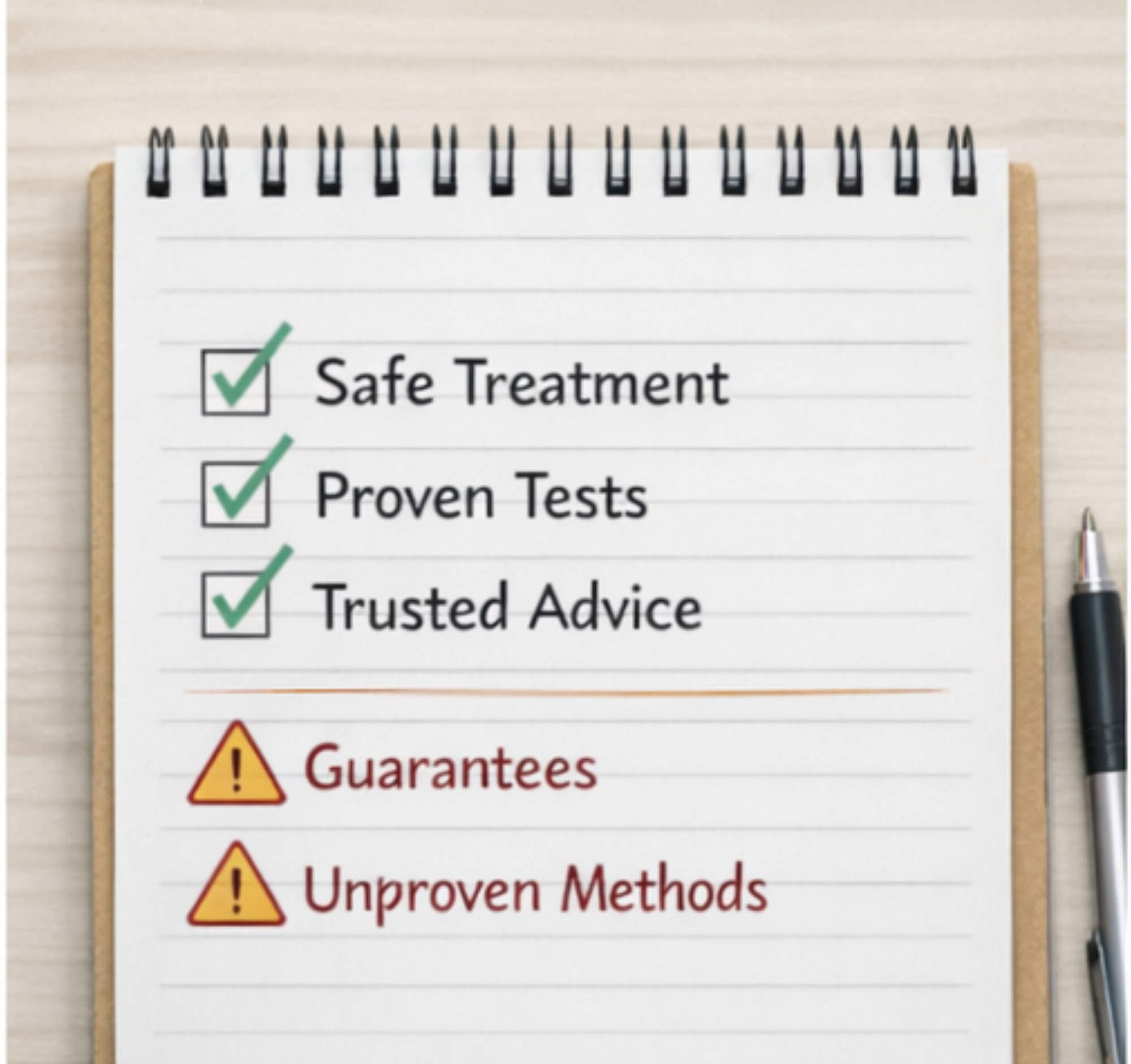
Be wary if a clinician or service:
• Presents themselves as one of the only MCAS experts or suggests others are incompetent
• Guarantees a diagnosis or promises quick answers
• Uses language implying they have “special knowledge” unavailable to mainstream medicine
• Claims to diagnose MCAS through unvalidated tests or large test panels
• Encourages you to purchase high-cost supplements, bespoke tests, or treatment packages
• Discourages you from involving your GP or NHS specialists
• Frames MCAS as the only cause of symptoms without considering other possible diagnoses
• Suggests the NHS “does not understand MCAS” and therefore you must rely solely on them
• Diagnoses MCAS without discussing appropriate testing or without explaining why testing is - or is not - being used. MCAS diagnostic criteria include the need for objective evidence of mast cell activation, which typically requires validated testing. A diagnosis made solely on symptoms, without exploring testing or alternative explanations, does not meet established diagnostic standards and may risk missing other important conditions.

What genuine expertise looks like
A clinician providing safe and informed care for people with suspected MCAS will:
• Hold appropriate UK professional registration (GMC, NMC, HCPC)
• Work within evidence-based practice, acknowledging areas where evidence is still emerging
• Use validated tests, and explain clearly when testing is - and is not - appropriate
• Consider a broad range of possible causes for symptoms before concluding MCAS
• Communicate openly with NHS teams, supporting shared care rather than replacing it
• Avoid overstating certainty where uncertainty exists
• Prioritise safety, including careful medication review, differential diagnosis, and monitoring

Why this matters
When people are desperate for help - especially after years of symptoms or dismissal - it can feel tempting to trust anyone who offers certainty. But MCAS is a complex area, and strong claims or absolute statements could be a red flag. Trustworthy clinicians acknowledge complexity and work with you to build a safe, collaborative plan over time.
If you feel unsure
If you are considering a private service and want help understanding what safe care looks like, you can reach out to our support team. We cannot recommend specific clinicians, but we can help you understand what questions to ask and how to identify good practice.
The information below can help you understand what “good practice” looks like and how to assess whether a healthcare service is safe, evidence-based, and appropriate.
Check that clinicians have appropriate professional registration
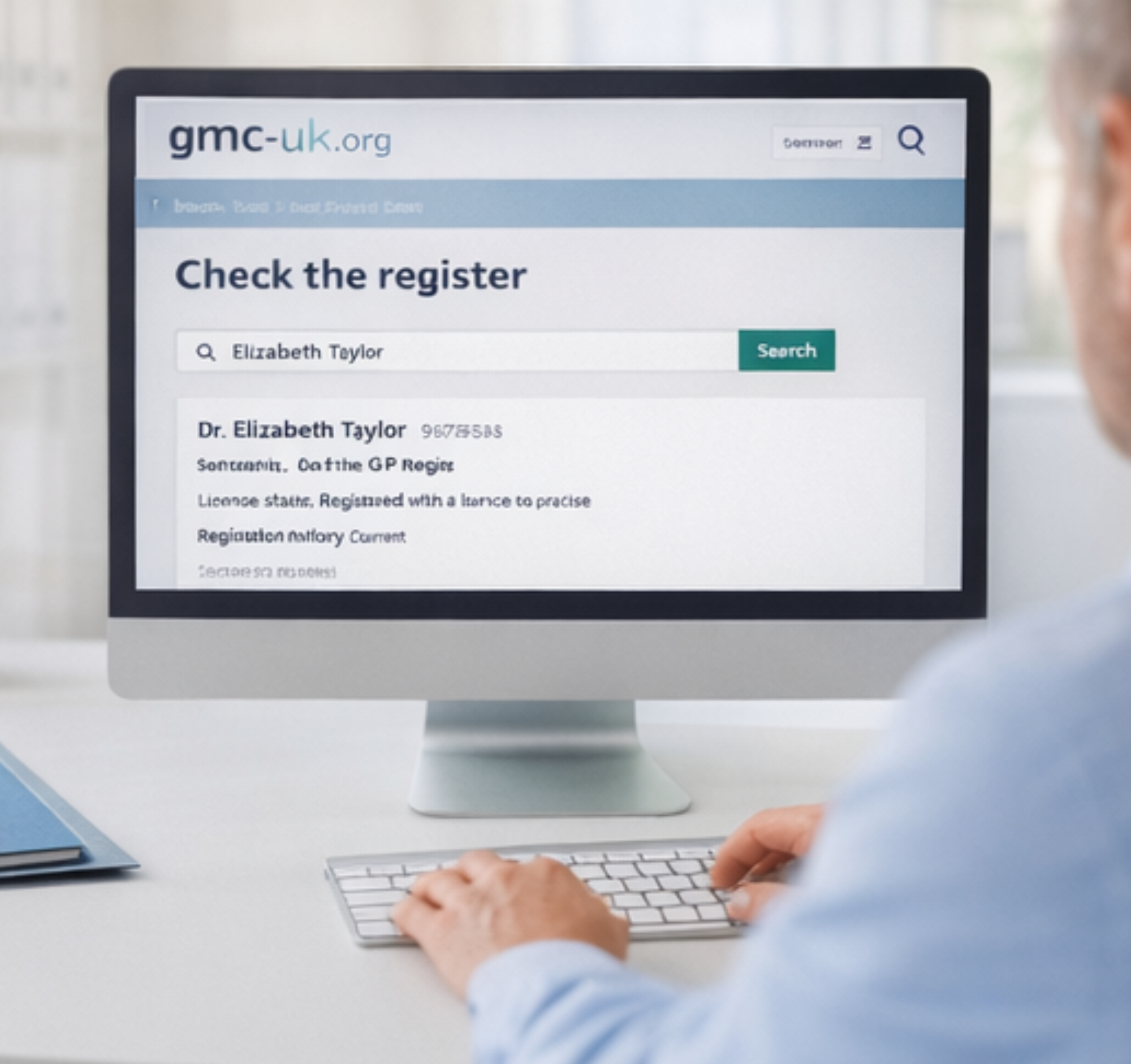
A safe clinical service starts with clinicians who are registered and regulated.
You can check registration here:
• Doctors (GMC – General Medical Council): https://www.gmc-uk.org/registration-and-licensing/the-medical-register
• Nurses, midwives and nursing associates (NMC – Nursing & Midwifery Council): https://www.nmc.org.uk/registration/search-the-register/
• Allied Health Professionals (HCPC – Health & Care Professions Council: https://www.hcpc-uk.org/check-the-register/
What to look for:
• Active registration
• No restrictions or conditions
• A scope of practice that aligns with the service offered
Why it matters:
Professional registration ensures accountability, minimum training standards, ethical duties, and clinical governance.
Check whether the service is regulated
Healthcare regulation differs slightly across the four nations of the UK. If you are checking whether a clinic, service, or practitioner is properly regulated, you can use the regulator for the country in which the service operates.
England
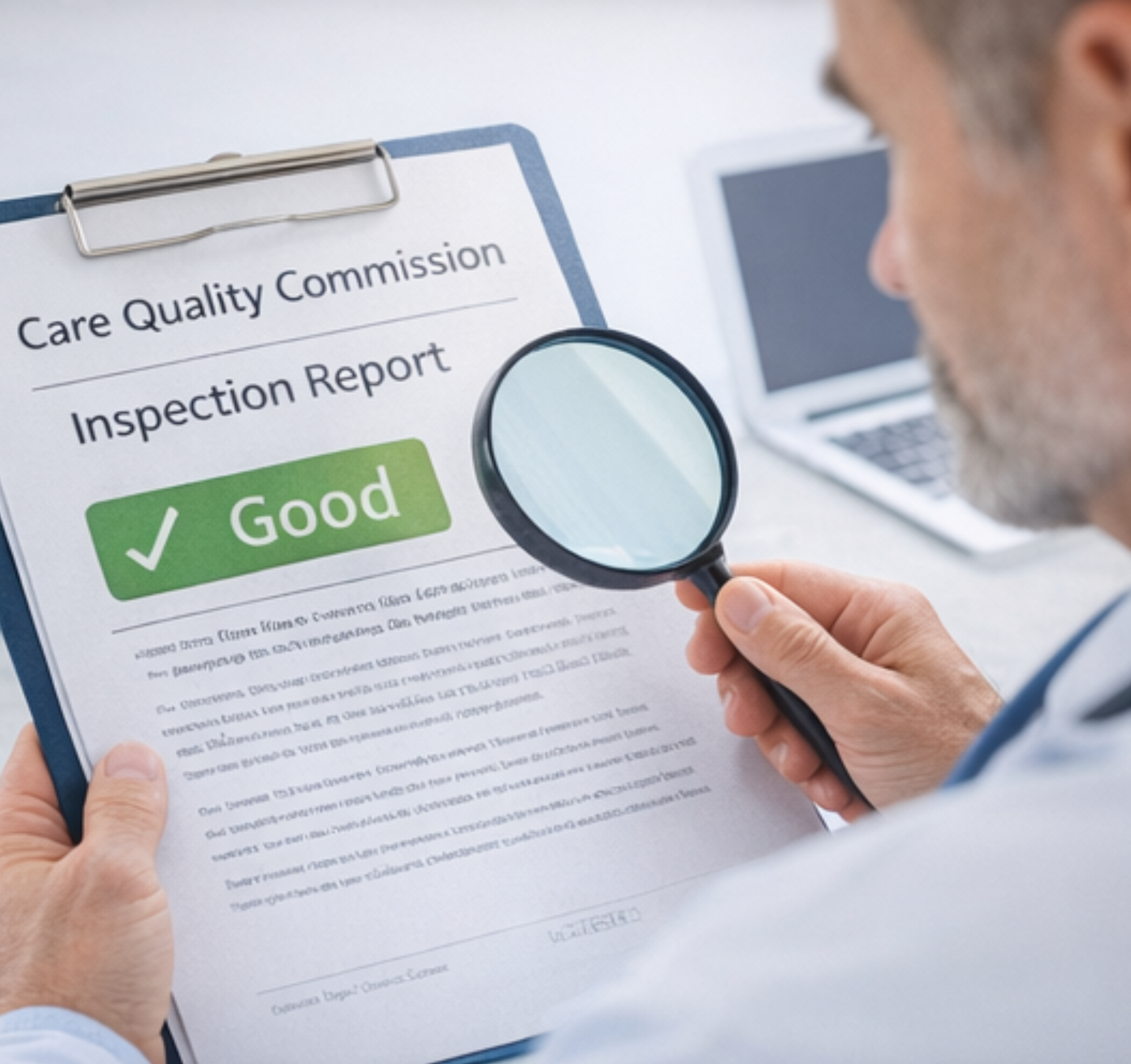
Clinical services offering diagnosis, treatment, or medical advice must be registered with the Care Quality Commission (CQC). Check here.
Scotland
Independent healthcare services are regulated by Healthcare Improvement Scotland (HIS). This includes private clinics and services offering treatments or diagnostic advice. Check here.
Wales
Private and independent healthcare providers are regulated by Healthcare Inspectorate Wales (HIW). Check here.
You can view inspection reports and whether the service is meeting required standards.
Northern Ireland
Private clinics and independent medical providers are regulated by the Regulation and Quality Improvement Authority (RQIA). Check here.
This includes clinics offering diagnostic services, assessments, and treatments.

If you are unsure which regulator applies
As a general rule:
• If a clinic is offering medical diagnosis, treatment, or advice, it should be registered with the appropriate national regulator.
• If the clinician holds UK professional registration (GMC, NMC, HCPC), that applies across the whole UK, regardless of which nation they practise in.
• If a service is not regulated in a region where it should be, this is an important safety concern.
What to look for:
• Confirmation that the clinic is registered
• Most recent inspection rating
• Any concerns raised in the inspection report
Why it matters:
Regulation ensures services meet legal standards for safety, effectiveness, leadership, and patient experience.

Be cautious of extensive or unvalidated testing
A good clinician:
• Explains why each test is needed
• Uses tests supported by recognised evidence
• Avoids unnecessary or broad “packages”
Be wary of services that:
• Claim to diagnose MCAS through unvalidated tests
• Sell large test bundles without clinical reasoning
• Give results without proper interpretation
If you want a reference point for understanding validated MCAS testing, our testing resources may help.

Ensure letters and reports are suitable for NHS clinicians
A reputable service will provide:
• Clear, structured letters
• Evidence-informed recommendations
• Documentation written to support collaborative care
A good-quality letter should help your GP or NHS specialist understand and continue your care.
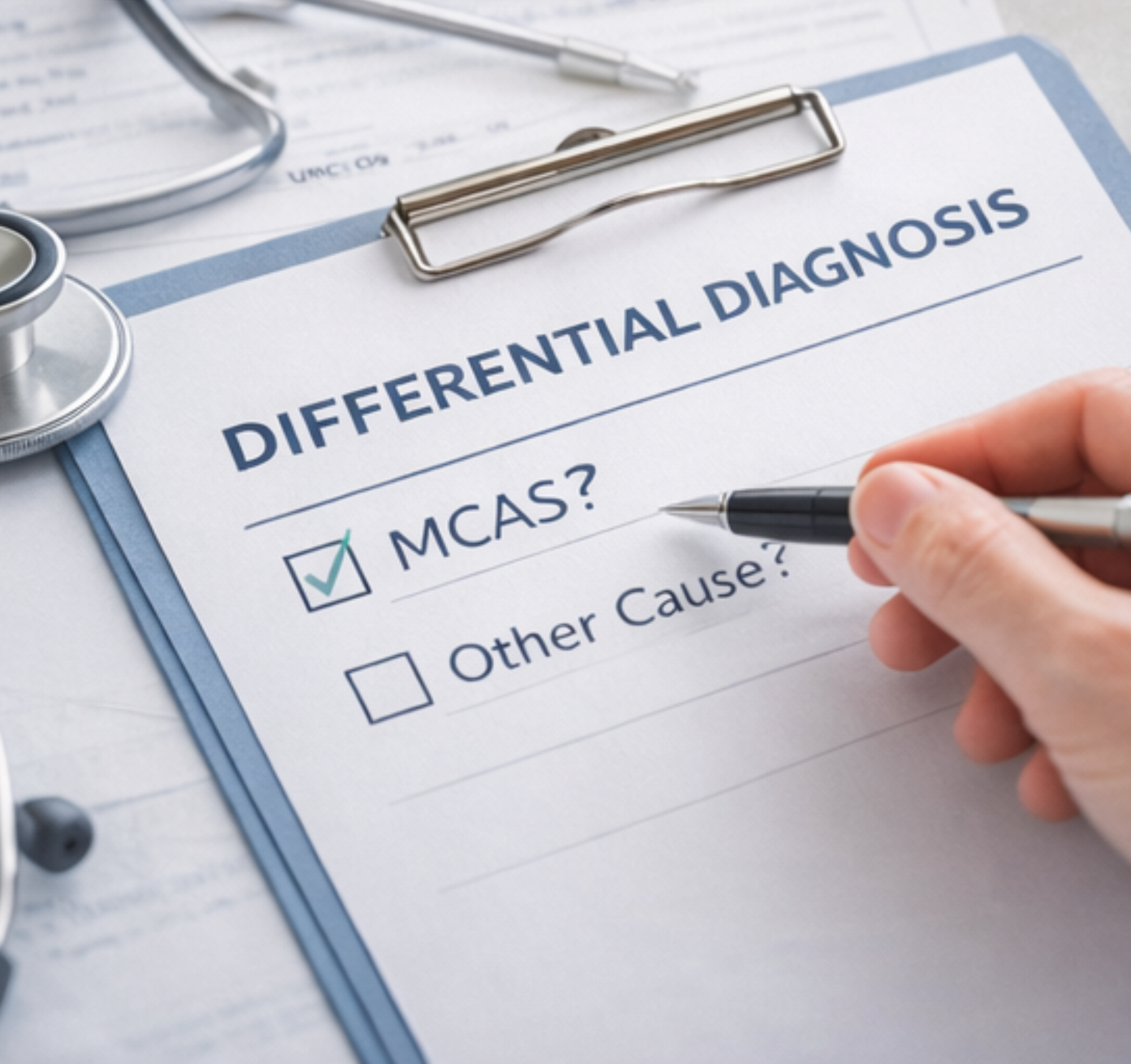
Make sure other diagnoses are being considered
MCAS symptoms overlap with many other medical conditions. Good clinical practice includes:
• Taking a detailed history
• Checking for signs that suggest other conditions
• Considering a broad differential diagnosis
• Ruling out other explanations before concluding MCAS
This protects patient safety and helps ensure that treatable or serious conditions are not missed.

Recognise that finding support can be difficult
Accessing knowledgeable and appropriate care for MCAS is challenging. We know how frustrating and isolating this can feel.
Using the basic checks above can help you avoid unsafe or misleading services.
If something feels pressured, unclear, or sales-driven, it is completely appropriate to seek another opinion.

What Mast Cell Action can - and cannot – do
- We cannot recommend specific private clinicians.
- We can help you understand what safe, evidence-based practice looks like.
- We can offer guidance, information, and community support from people who understand MCAS.
If you are unsure about a service, you are welcome to get in touch with our support team.
We are here to help.
Become a friend
Sign up to become a Friend of Mast Cell Action so we can keep you up to date on our progress and on how to get involved in our latest campaigns and initiatives.
Donate
Mast Cell Action relies entirely on the generosity of people like you. Please make a donation now and together we can make a difference to those affected by MCAS.