

Co-existing conditions and comorbidities
People with MCAS may have other conditions alongside their mast cell-related symptoms. Clinical reports and observational studies have described overlap between MCAS and a number of multisystem conditions. However, the prevalence and nature of these associations remain uncertain, and shared symptoms do not necessarily indicate a shared underlying cause. Research into the mechanisms linking these conditions is ongoing.
Conditions frequently discussed in association with MCAS include:
- Connective tissue and hypermobility disorders, particularly hypermobile Ehlers-Danlos syndrome (hEDS) and hypermobility spectrum disorders (HSD)
- Dysautonomia, including Postural Tachycardia Syndrome (PoTS) and other forms of autonomic nervous system dysfunction.
- Migraine and other chronic neurological symptoms
- Gastrointestinal disorders, including irritable bowel syndrome (IBS)
- Post-infectious and fatigue-related conditions, including Long COVID and ME/CFS
MCAS, hypermobility/hEDS and PoTS are particularly frequently reported together in clinical practice and patient populations. Some studies have demonstrated substantial overlap, but reported prevalence varies considerably depending on the diagnostic criteria used for each condition. A 2025 systematic review found insufficient evidence to establish an increased prevalence of mast cell activation disorders among people with PoTS and/or EDS when prespecified diagnostic criteria were required. More recent studies continue to highlight the importance of the definitions and diagnostic criteria used.
The mechanisms underlying these apparent associations are not yet established. Proposed explanations include interactions between mast cells, connective tissue, the autonomic nervous system and inflammatory pathways, but these remain areas of active research rather than established causal relationships.
For clinicians, the presence of a co-existing condition should not be considered diagnostic of MCAS. Equally, symptoms should not automatically be attributed to MCAS where another condition may provide an alternative or additional explanation. A thorough clinical assessment and appropriate investigation of each condition remains important.
For more information about conditions that frequently overlap and the challenges experienced by people living with multiple multisystem illnesses, visit the Overlapping Illness Alliance.
Neurodevelopmental conditions: Autism and ADHD are frequently reported alongside MCAS and other overlapping multisystem conditions. There is growing research interest in the potential connections between mast cell activity, neuroinflammation and neurodevelopment, although the mechanisms underlying these associations are not yet fully understood.
Link Between Mast Cell Activation Syndrome (MCAS) and Long COVID
As understanding of Long COVID continues to develop, research has explored whether mast cell activation may contribute to symptoms experienced by some patients. There is considerable symptom overlap between Long COVID and MCAS, including fatigue, cognitive difficulties, gastrointestinal symptoms, breathlessness, palpitations and skin symptoms. However, symptom overlap alone does not establish a diagnosis of MCAS.
A 2021 study by Weinstock et al. investigated mast cell activation symptoms in people with Long COVID. The researchers recruited 136 adults with Long COVID through online support groups and compared their reported symptoms before and after COVID-19 with those of controls and people with MCAS.
Before COVID-19, participants who subsequently developed Long COVID reported symptom levels similar to controls. Following COVID-19, they reported a significant increase in symptoms associated with mast cell activation. Their overall symptom scores after COVID-19 were similar to those reported by people with MCAS before treatment.
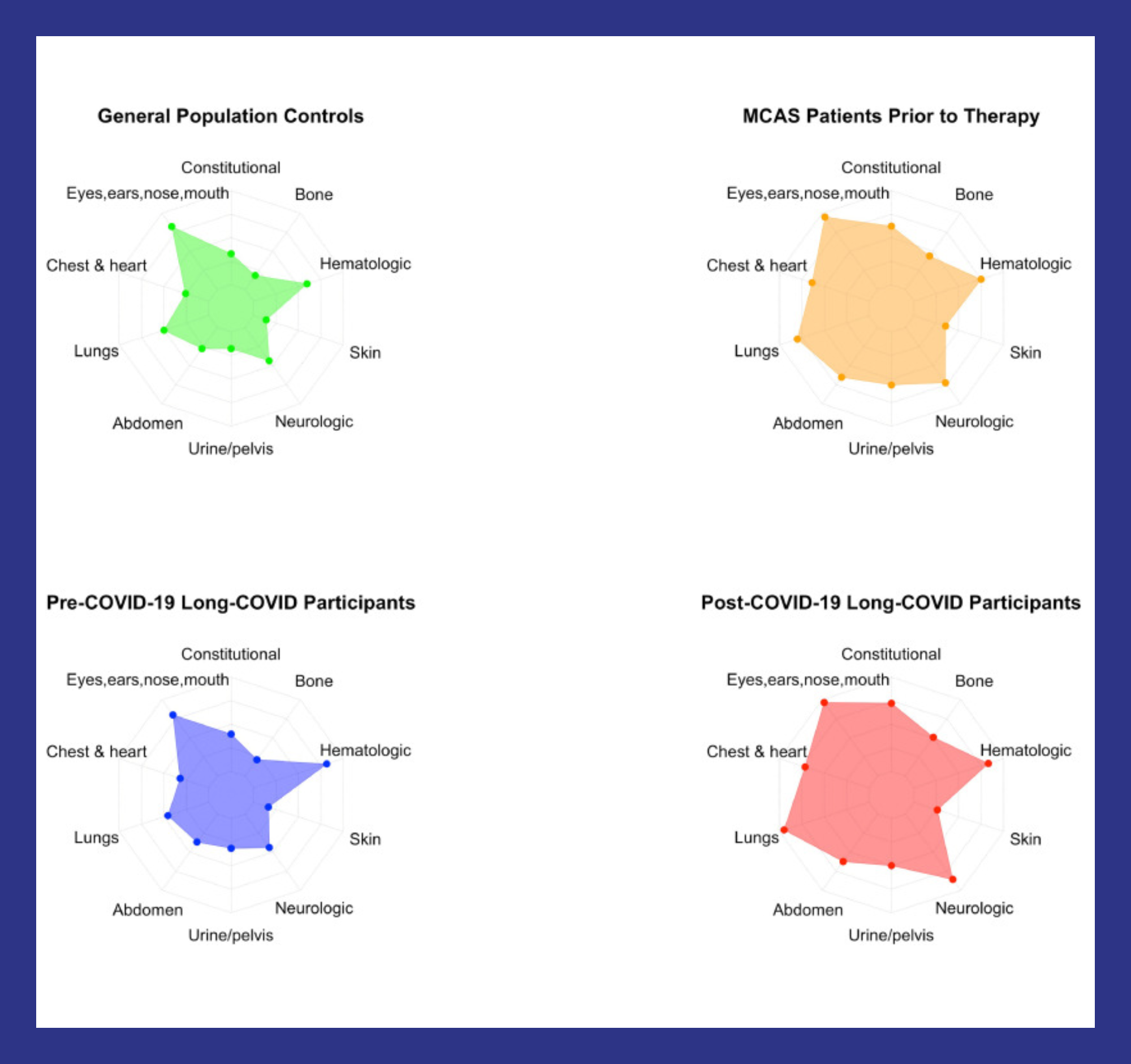
The authors proposed that SARS-CoV-2 infection may trigger abnormal mast cell activation and that this could contribute to the pathophysiology of Long COVID in some patients. This raises important questions about whether mast-cell-directed approaches could have a role in understanding and treating particular Long COVID phenotypes.
However, this was a survey-based observational study and did not demonstrate that participants with Long COVID had MCAS, nor establish mast cell activation as a cause of Long COVID. Further research, including objective assessment of mast cell activation and controlled treatment studies, is needed to establish the nature and clinical significance of this relationship.
Become a friend
Sign up to become a Friend of Mast Cell Action so we can keep you up to date on our progress and on how to get involved in our latest campaigns and initiatives.
Donate
Mast Cell Action relies entirely on the generosity of people like you. Please make a donation now and together we can make a difference to those affected by MCAS.