

Support after an MCAS diagnosis
Receiving an MCAS diagnosis can bring answers, but it can feel overwhelming with lots of things to consider. Our MCAS Post-Diagnosis Support Service offers free, practical support to help you understand your condition, identify what may help you manage day-to-day life and feel more confident moving forward.
The service is available to UK residents with a confirmed diagnosis of MCAS and is delivered remotely.
This service has been made possible with the generous support of The James Tudor Foundation. [Apply for support - LINK]

How can we help?
Living with MCAS can mean making sense of symptoms, triggers, food, energy and the environments around you. It can feel overwhelming for many people affected, so we can work through some of those challenges together. We can help you with identifying triggers, explore practical changes and identify manageable next steps that fit your life. We can help you to prepare for appointments, assess how management is affecting your symptoms and support stabilisation through self-management and diet.
This is a short-term support service designed to help you find practical ways to manage life with MCAS. It does not diagnose MCAS, provide medical treatment, prescribe or change medication, or replace the clinicians responsible for your care.
Meet our Practitioners
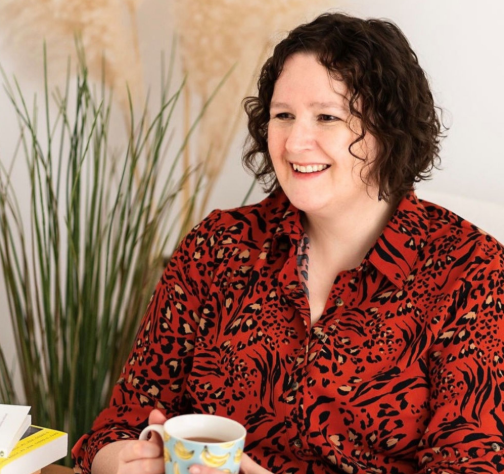
Alison is dietitian with over 30 years of NHS experience. In her private practice ‘The Unexpected Dietitian,’ she specialises in supporting neurodivergent adults living with chronic health conditions including MCAS, EDS, PoTS, M.E and diabetes. Alison also supports those who are trying to manage medical diets alongside food trauma and/or a background of eating disorders.
She works with people who may find traditional healthcare approaches overwhelming or inaccessible, offering a gentle, personalised way of supporting health and wellbeing. Her approach is collaborative and flexible, recognising individual communication, sensory, cognitive and emotional needs. Her practice is gender and neuro affirming.
Alison lives in a neurodivergent household and is a carer for her daughter, who lives with PoTS, hypermobility and MCAS. Alongside her work as a dietitian she is a well known crochet designer and cat mum.
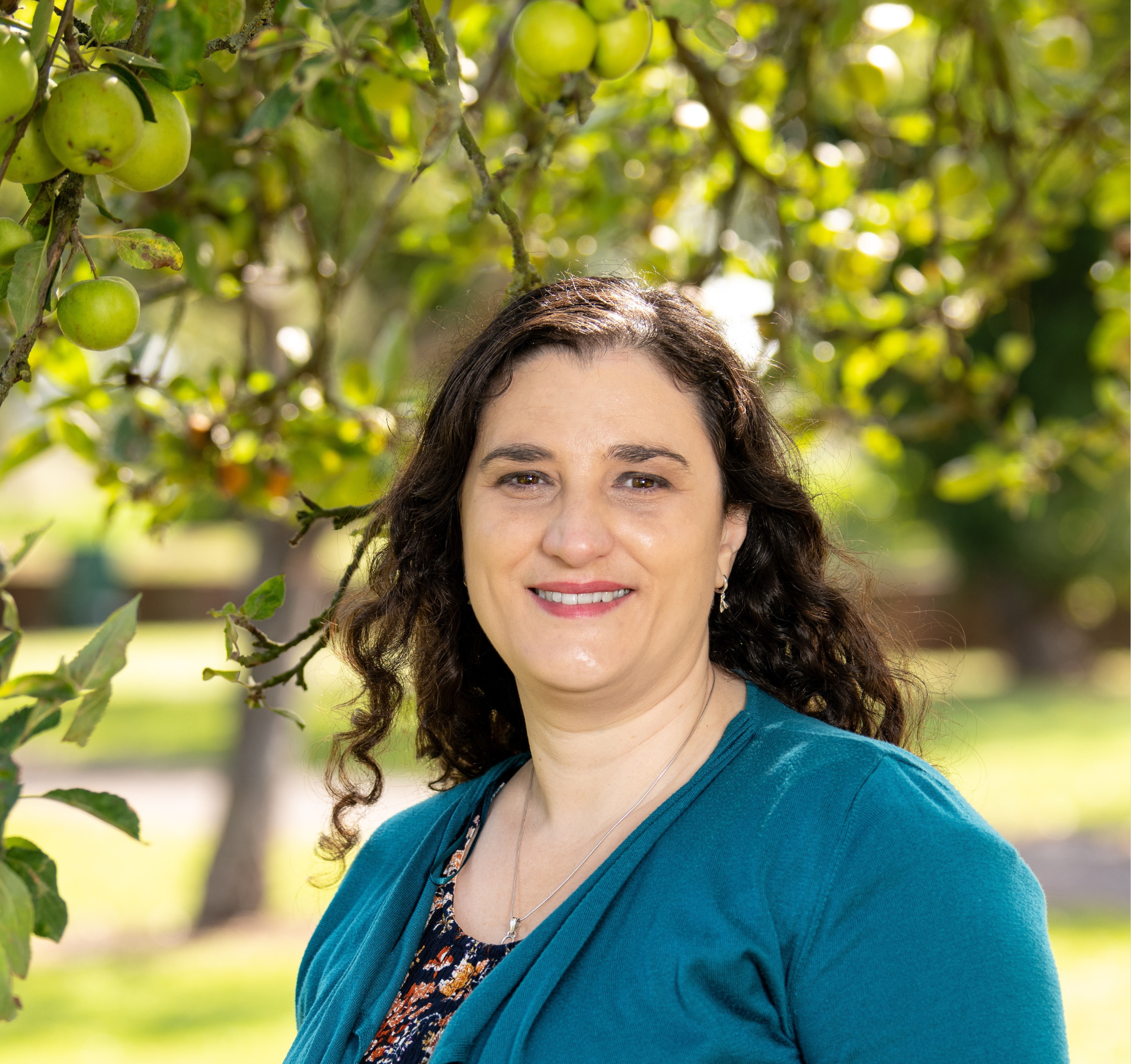
Deborah Bircham
Deborah is a Chronic Illness Coach specialising in supporting people living with Mast Cell Activation Syndrome (MCAS) and other complex chronic illnesses. She helps people better understand their condition, recognise their individual needs and triggers, and find practical ways to manage their health, navigate the challenges of everyday life, and improve their quality of life.
Her approach combines MCAS-specific, realistic lifestyle adaptations, self-management techniques and supportive mindset tools, helping people feel more confident, empowered and in control of their daily lives.
Living with MCAS, dysautonomia and Lyme disease herself, Deborah brings valuable lived experience alongside her professional training, offering an understanding, compassionate and practical approach to supporting others.
You can find out more about Deborah here.
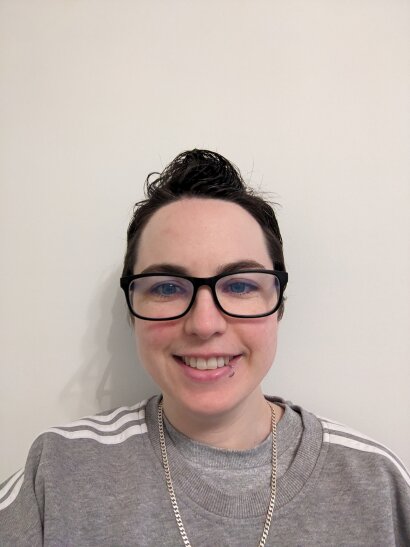
Harriet Carroll
Harriet has a PhD in Nutrition and Metabolism, specialising in hydration, glucose regulation, and appetite. She currently runs the Long Covid Scientific Consultancy, helping patients and medical professionals navigate the evidence around long COVID and related diseases such as MCAS, POTS, and ME, and she has honorary status at Lund University where she researches astronaut physiology. Harriet previously worked in the NHS as a clinical researcher investigating SARS-CoV-2 immunity and vaccine effectiveness; during this time, she was vaccine injured resulting in her being diagnosed with MCAS, POTS, dysautonomia, blood clotting, hormone problems, and worsening her previously very mild ME. She is also on the Patient Advocacy Committee for the International Society for Mast Cell Activation Syndromes.
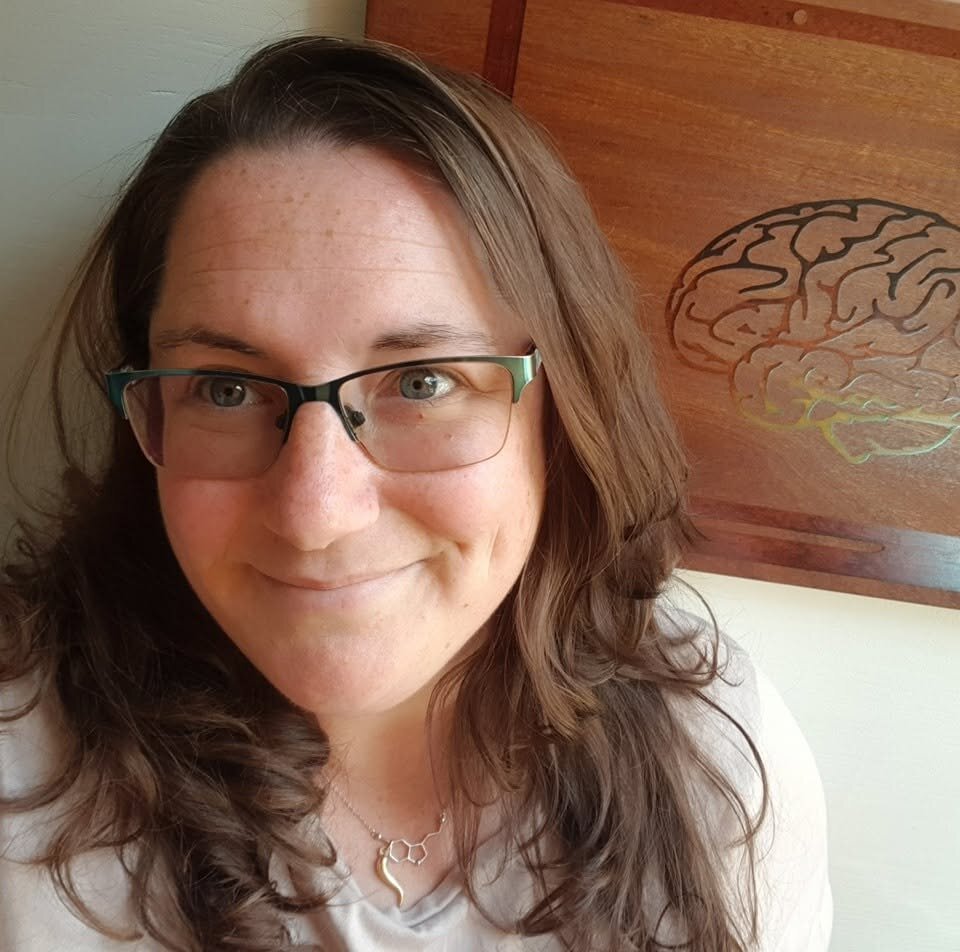
Kim Clayden
'Hi! I am Kim Clayden, a Solution-Focused Psychotherapist, Clinical Hypnotherapist, expert patient & founder of Maintained Mind. I have spent many years supporting people with chronic/complex/pain conditions such as hypermobility syndromes, MCAS, PoTS and more, to retrain their brains and build sustainable mental health toolkit. These sessions are to offer a safe, understanding space to learn gentle grounding techniques, reduce physiological overload, and support confidence & agency for chronic Illness folk. I look forward to working together to help you calm your world and maintain balance in life with a new diagnosis.
I live with hEDS and PoTS myself. You never have to explain a flare or apologise for resting. I have 8 years experience of private practice with clients experiencing chronic illness and pain, plus webinars and resources for charities. Volunteering for a hypermobility syndromes charity for over a decade.'
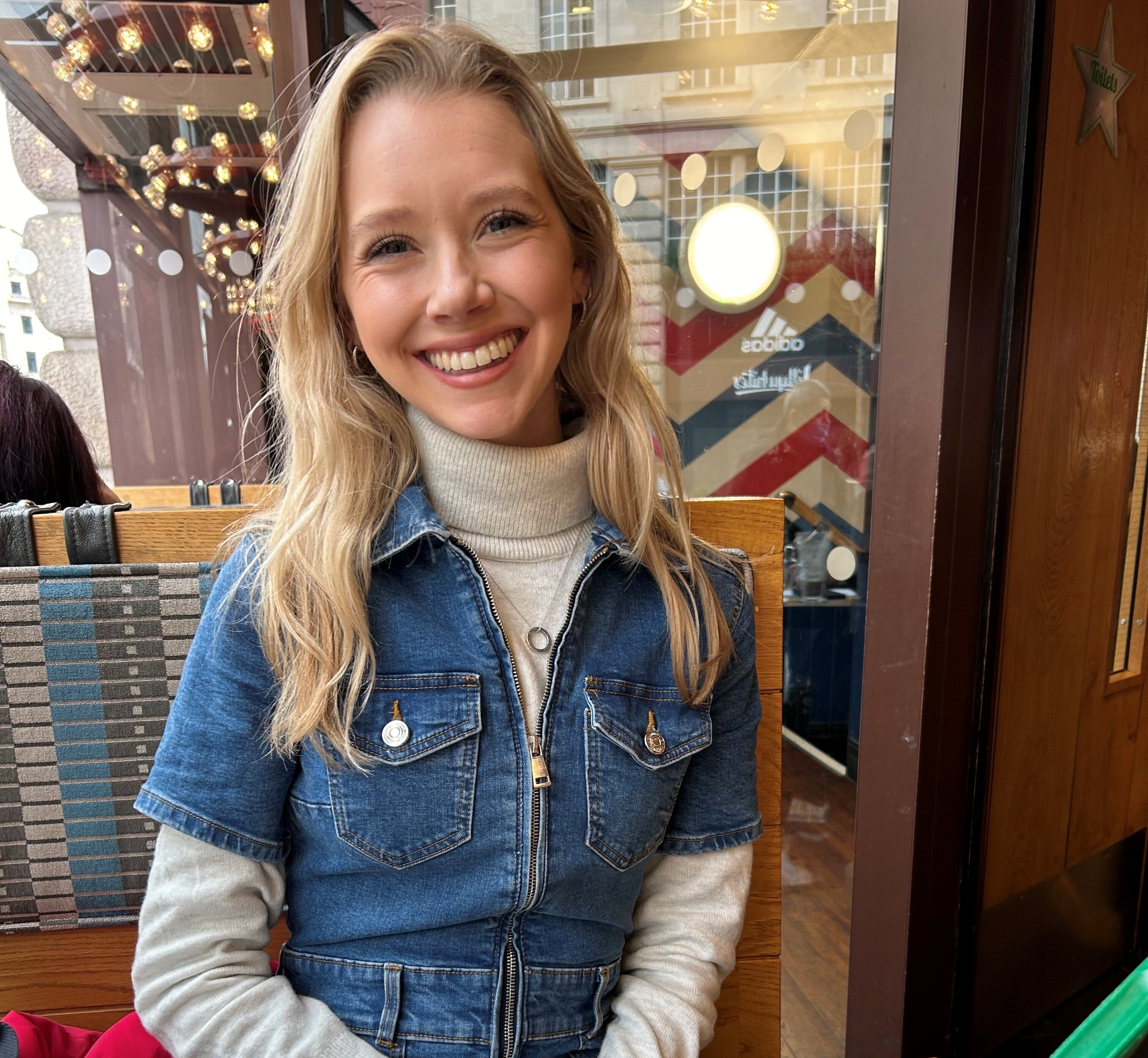
Samantha Coates
Sam Coates is a HCPC Registered Dietitian who founded The Nourish Rooms after a series of health challenges forced a change in her life’s trajectory. Sam’s own journey of navigating EDS, PoTS, MCAS and Autonomic Dysfunction, forced her to experience first-hand, the limited support from healthcare professionals available to individuals with these conditions and those closest to them. Similarly, working within NHS Mental Health Services she witnessed the destructive and devastating nature of Eating Disorders and mental health conditions, and is therefore committed to helping individuals recover, and support them to live a full and nourished life.
Sam understands what life can be like when it feels as though your body is fighting against you, that there is no way out; or when it feels as though no one understands. As a result, at the Nourish Rooms we are passionate about providing care that is as unique as the individual we are working with, helping our clients to obtain control over their symptoms and re-discover their life.

What happens next?
Apply - Tell us a little about you and what support you are looking for.
We review your application - We’ll consider how the service could best support you.
Your support begins - We’ll contact you about the next steps and arrange your support. We anticipate significant demand for this service, so there may be a waiting list if demand exceeds the number of appointments we are able to offer. If this is the case, we will keep you informed about expected waiting times.
[Apply now - LINK]

Feedback, concerns and complaints
It's important to us to provide a service that people with MCAS feel listened to and supported by. We will collect feedback from each person who uses this service, this feedback will be reviewed to help us make improvements where possible.
If something has not gone as expected, please contact us. Raising a concern will not affect your access to Mast Cell Action support.
If you would like to make a formal complaint, please email us or read our Complaints Policy for information about what happens next.

Help us support more people after diagnosis
A diagnosis can be the start of a new set of questions and worries.
Your donation can help us provide practical, trusted support to people learning how to manage life with MCAS - from understanding triggers and adapting their environment to accessing specialist support.
Help us reach more people when they need us most.
Make a regular or one off donation if you are able to so that nobody has to face MCAS alone.
Become a friend
Sign up to become a Friend of Mast Cell Action so we can keep you up to date on our progress and on how to get involved in our latest campaigns and initiatives.
Donate
Mast Cell Action relies entirely on the generosity of people like you. Please make a donation now and together we can make a difference to those affected by MCAS.