

Diet and MCAS
Socialising and Eating Out
From our Nourishing Health & Happiness with MCAS series — practical tips for enjoying meals out and social occasions while supporting your health and comfort.

Reintroducing Foods Safely
From our Nourishing Health & Happiness with MCAS series — a gentle guide to reintroducing foods, helping you expand your diet with confidence and care.
Unwanted Weight Gain with MCAS
From our Nourishing Health & Happiness with MCAS series — explore possible causes of weight changes and find balanced ways to support a healthy body and mind.
Malnutrition and MCAS
From our Nourishing Health & Happiness with MCAS series — understand the risks of malnutrition with MCAS and learn how to nourish your body safely and effectively.
Gaining Weight on a Low Histamine Diet
From our Nourishing Health & Happiness with MCAS series — gentle, practical ideas for maintaining or gaining weight while following a low histamine approach.
Gaining Weight on a Low Dairy Diet
From our Nourishing Health & Happiness with MCAS series, discover nourishing, dairy-free or low dairy ways to support healthy weight gain while meeting your body’s needs.

Eating enough fibre with MCAS
From our Nourishing Health & Happiness with MCAS series — discover simple, gentle ways to include more fibre for better gut health and overall wellbeing.
Nourishing Health and Happiness with MCAS
We have worked with registered dietitian, Chloe Hall, to explore some of the most common diets followed by people with MCAS, and the key nutritional concerns that often arise. In this resource, we’ll look at practical ways to support your diet when living with MCAS.
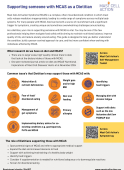
Supporting someone with MCAS as a Dietitian
Supporting Someone with MCAS as a Dietitian is a practical resource designed to help dietitians understand and support people living with Mast Cell Activation Syndrome. It offers guidance on the unique challenges that MCAS presents, particularly around food, nutrition, and symptom management.
Potato lectin activates basophils and mast cells of atopic subjects by its interaction with core chitobiose of cell-bound non-specific immunoglobulin E
S. N. Pramod, Y. P. Venkatesh and P. A. Mahesh (2007). This study addresses the role of potato lectin (STA) in activating mast cells and basophils through non-specific binding to IgE and FcεR receptors. It studies the effect of STA on atopic and non-atopic subjects, and finds that it may cause non-allergic hypersensitivity in some atopic individuals, despite not being a ‘true allergen’. Therefore, it suggests that lectins in foods like potatoes and tomatoes may contribute to symptoms of allergic reactions (e.g. asthma) in STA-sensitive individuals.

Foods and Inflammation
PowerPoint slides from Deborah Bircham's from Live Well with Chronic Illness webinar 'Foods and Infammation'. You can find the recording of this session on our YouTube channel.
Effect of Dietary Fiber and Metabolites on Mast Cell Activation and Mast Cell-Associated Diseases
Jelle Folkerts, Ralph Stadhouders, Frank A Redegeld, See-Ying Tam, Rudi W Hendriks, Stephen J Galli, Marcus Maurer (2018). This article provides an overview of current understandings surrounding the effects of dietary fibre on the regulation of mast cell activity and mast cell-associated diseases. It discusses the potential therapeutic effects of fibre and its metabolites (including short-chain fatty acids) on mast-cell associated airway inflammation and allergic diseases. It proposes further research to explore the role of dietary fibre in preventing and treating conditions associated with mast cell activation.

Recipe Conversion
You can use this blank recipe conversion page to note down any MCAS friendly changes you have made to your favourite recipe's.
Become a friend
Sign up to become a Friend of Mast Cell Action so we can keep you up to date on our progress and on how to get involved in our latest campaigns and initiatives.
Donate
Mast Cell Action relies entirely on the generosity of people like you. Please make a donation now and together we can make a difference to those affected by MCAS.