
Family, Friends and Carers

Acceptance
PowerPoint slides from Deborah Bircham from Live Well with Chronic Illness' Webinar 'Acceptance'.

Supporting someone with MCAS at Christmas
A practical festive guide for loved ones, who are supporting those with MCAS at Christmas

Managing MCAS At Christmas
The festive season can be joyful, but for those living with MCAS, it can also bring extra challenges - new foods, busy gatherings, extra stress and exposure to different things. This guide offers practical ideas to help you plan ahead, look after yourself, and enjoy the parts of Christmas that feel right for you.

Quick Guide to MCAS for Loved-Ones
MCAS is a complex condition and can be hard for our loved-ones to understand. However, their support is crucial for us to be able to manage our condition well. This handy Quick Guide to MCAS is designed to help your loved-one understand MCAS and begin to learn how they can help you. Share this with your loved-ones, so that they can easily understand what MCAS is.
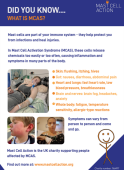
DID YOU KNOW.... What is MCAS?
This poster provides brief facts about MCAS. These are great for sending to friends and family to help them understand or for taking to medical appointments.

DID YOU KNOW.... What can trigger MCAS symptoms?
This poster provides brief facts around Triggers and MCAS. These are great for sending to friends and family to help them understand or for taking to medical appointments.

DID YOU KNOW.... Fragrances can make people ill
This poster provides brief facts around fragrances and MCAS. These are great for sending to friends and family to help them understand or for taking to medical appointments.
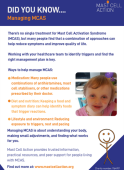
DID YOU KNOW.... Managing MCAS
This poster provides brief facts around managing MCAS. These are great for sending to friends and family to help them understand or for taking to medical appointments.
Socialising and Eating Out
From our Nourishing Health & Happiness with MCAS series — practical tips for enjoying meals out and social occasions while supporting your health and comfort.

How to Fight On in Tough Times – Tools and Tips to Foster Mental Resilience
PowerPoint slides from Deborah Bircham's from Live Well with Chronic Illness' webinar 'How to Fight On in Tough Times – Tools and Tips to Foster Mental Resilience'. You can find the recording of this session on our YouTube channel.
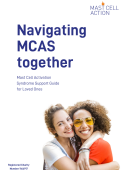
Navigating MCAS together - Mast Cell Activation Syndrome Support Guide for Loved Ones
This guide is for those who are supporting a loved-one with MCAS, and includes advice on maintaining your own physical and emotional health, as well as practical guidance on how you can support your loved-one.
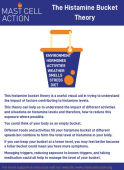
The Histamine Bucket Theory
This histamine bucket theory is a useful visual aid in trying to understand the impact of factors contributing to histamine levels.
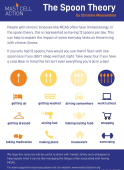
The Spoon Theory
People with chronic illnesses like MCAS often have limited energy. In the spoon theory, by Christine Miserandino, this is represented as having 12 spoons per day. This can help to explain the impact of some everyday tasks on those living with chronic illness.

Parent support leaflet
A leaflet designed to help support parents and carers of children living with systemic mast cell activation and MCAS. It provides suggestions for how to care for your personal wellbeing whilst caring for someone with MCAS, and shares ideas and suggestions for how to communicate and support each other as a family.
Become a friend
Sign up to become a Friend of Mast Cell Action so we can keep you up to date on our progress and on how to get involved in our latest campaigns and initiatives.
Donate
Mast Cell Action relies entirely on the generosity of people like you. Please make a donation now and together we can make a difference to those affected by MCAS.